How to Improve Employee Retention in the Era of Job Hopping
Nov 26, 2024 – 8 min read

In today’s tight labor market, it’s already an uphill battle trying to find qualified employees, let alone secure the cream of the crop as members of your team.
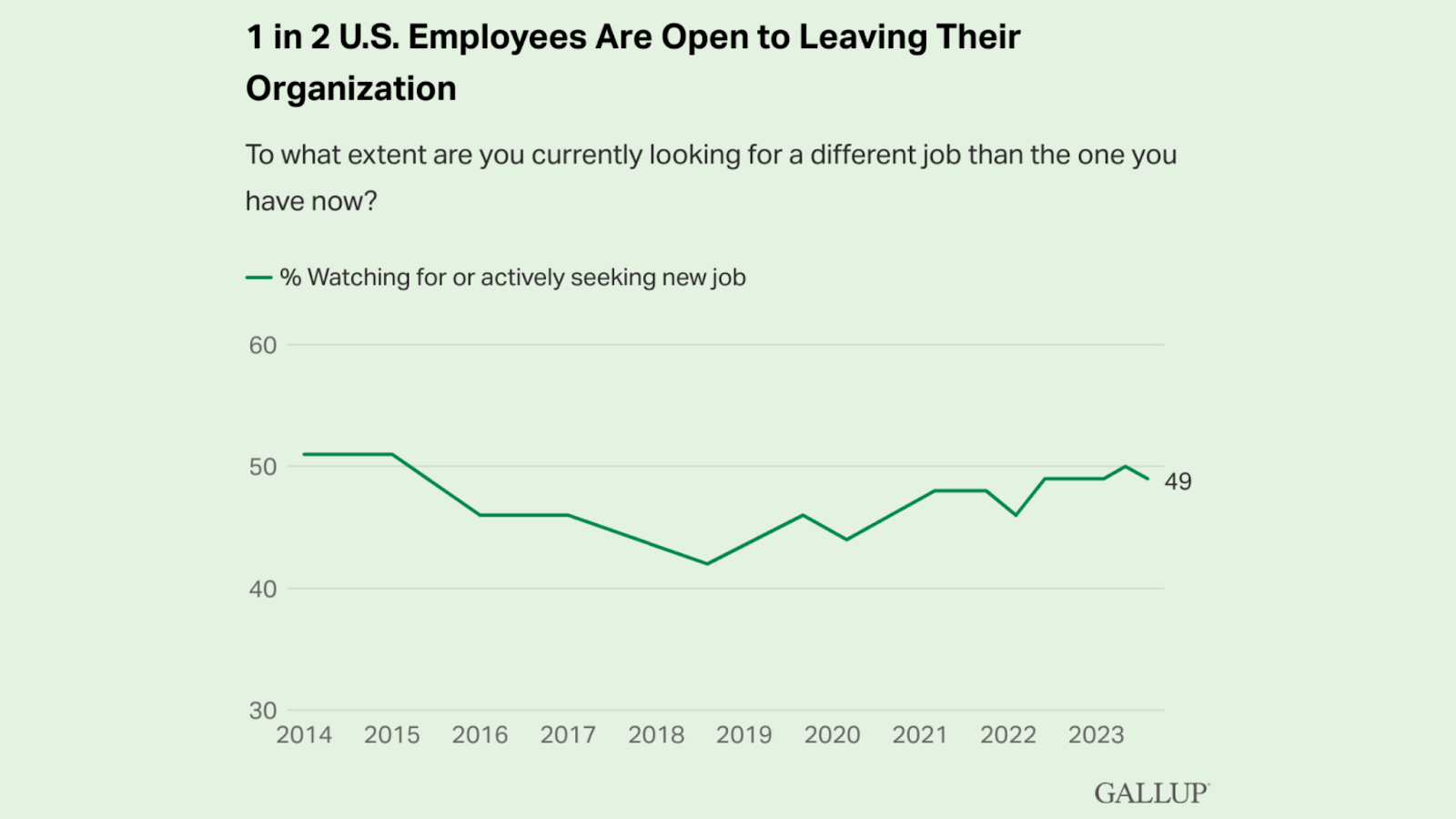
On top of the current market situation, hiring managers are going through the laborious process of vetting, interviewing, and training new talent, only for these new hires to jump ship within a few months or even weeks of hire. In fact, recent stats show that 50% of US employees are considering changing jobs in the near future — illustrated in the graph below.
This phenomenon, commonly called job hopping — when employees find new work after a short stint at their current company — is extremely costly for employers and is frustrating, and confusing for a team. So, what exactly is going wrong with your new hires?
In this article, we’ll examine practical tips for employers to mitigate the risk of job-hopping employees, such as offering learning programs and revisiting remuneration strategies. Finally, we’ll lay out a strong retention strategy businesses can use to curb employee turnover and even help settle the turbulent job market.
What is Job Hopping?
Before diving into why people leave jobs quickly, it’s important to understand how ideas around short tenure have changed over time. Job hopping is not new. Young workers of previous generations also experienced high turnover at the beginning of their careers, with the Boomer Generation having held 5.6 jobs on average between 18 and 24 years old. However, this changed when workers in this generation passed the age of 25. In the past, the length of a worker’s tenure was tied to their age at the start of the job. This means the older someone was when starting a job, the longer they stayed there.
Conversely, millennials are now between 27 and 42 years old and have never stopped job hopping. Unlike previous generations who found a stable career as they entered adulthood, the current generation, making up the largest chunk of the workforce, has not settled into long-term jobs. Now, millennials are 3x more likely to job-hop than any other generation, and 21% of millennials have changed jobs within the past year alone.
In fact, today, short tenures have become common enough that job hopping is no longer a red flag. 61% of US workers were expected to change jobs in 2023, meaning that recruiters eliminating candidates based on short tenures would have difficulty finding someone suitable for the role.
So, Why Do Workers Job Hop So Much?
Unfortunately, this higher turnover rate and lack of engagement are costly for employers. Yet, understanding why people leave jobs quickly gives employers a fantastic opportunity to develop strategies to increase retention.
Promotions and Salary Increases
Employees today are not afraid to leave companies quickly for better opportunities. Pew Research found that 63% of workers cite low pay and no options for career advancement as why they quit — and this quitting pays off. Job hopping has proved to be the quickest and most effective way for professionals to increase their salaries. Research shows that new jobs offer a 10-20% increase in pay, whereas internal promotions garner a measly 2-3% raise. With these numbers, switching jobs every two to three years could lead to a 100% pay increase over a decade.
Companies that are slow to offer promotions also risk losing stellar team members. Typically, when people are ready for career advancement, they start looking for opportunities inside and outside their companies, meaning that 29% of people quit within a month of receiving a promotion. When an employee’s value is recognized within their existing company, it may be too late. Additionally, if newly promoted team members do not feel fairly compensated or supported for the role’s new responsibilities, they are also likely to quit.
The Pandemic’s Role
The uptick in frequent job changes can also be partially attributed to the pandemic shifting employee priorities. During this unprecedented time, people who were removed from their working environments (working remotely or unemployed) rediscovered what they wanted in a job. For many workers, how a job makes them feel became a deciding factor.
Employees who feel disconnected from their company or undervalued are disengaged and more likely to leave. Gallop found that only 29% of millennials feel engaged at work, meaning that only three out of ten Millennial employees feel connected to their jobs and company.

The (Literal) Cost of Job Hopping
High levels of employee turnover are estimated to cost US businesses $1 trillion, with the cost of replacing just one employee ranging from 1.5x to 2x that employee’s annual salary. If a company needs to replace a technical position or an executive, the turnover cost can be as high as 100% to 213% of those individuals’ salaries.
The cost per hire, such as time and resources dedicated to finding new employees, is only half the story. Unfilled roles also negatively affect the company’s productivity and team members. Researchers have found that the cost of vacancies accounts for two-thirds of the sunk cost lost to turnovers, including productivity, knowledge, and burnout for team members picking up the extra slack.
When looking at the numbers, it’s clear that businesses must take job hopping seriously. Cultivating environments that help employees feel valued, satisfied, and engaged are integral for ensuring strong employee retention.
Strategies to Improve Employee Retention
When implementing ways to improve employee retention, it’s important to remember that company culture and employee personality will vary. The types of professionals your company attracts, and the nature of your industry will shape how you implement these retention strategies.
Fine Tune Your Recruiting Strategy
Tackling job hopping starts at the beginning: the application. When crafting a job post, accurately present your company and its culture to attract people likely to fit in.
Be sure to ask the right questions during interviews to determine if potential candidates will genuinely be happy with your company and the compensatory benefits. Keep an eye out for red flags during the interview or in resumes and CVs that could signal flightiness.
It may also be worth conducting a competitor analysis to ensure your organization offers industry-standard salaries and benefits. Partnering with a recruiting agency like The Hiring Advisors improves recruitment strategies to find the best possible talent for your company. Our expert recruiters offer free consultations.
Competitive Salaries For Future & Current Employees
When determining a competitive salary, calculate the median salaries for similar positions at other organizations and conduct thorough market research. Having set pay structures and transparency can also help team members have realistic wage expectations.
While offering competitive salaries to attract new talent to help ensure a long tenure, you cannot overlook your current staff. It is essential to benchmark internal salaries to fairly assess raises. Many employees expect raises to increase with the cost of living in addition to recognizing their hard work.
Offer Opportunities for Growth & Development
One of the major drivers of engagement is a team member’s personal view of their future. A common reason people quit is the lack of career advancement (and the raises promotions bring).
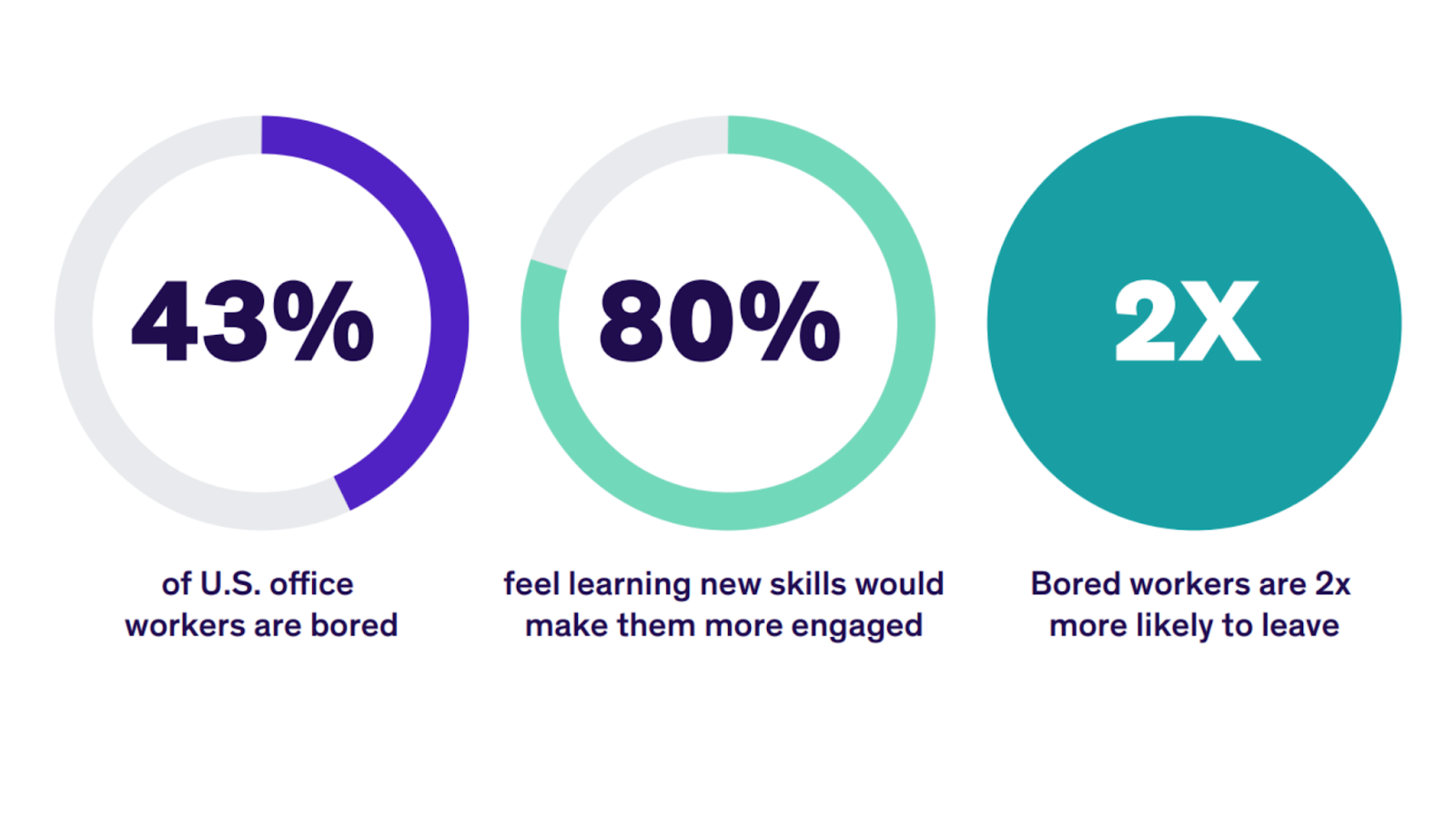
Employees who feel stuck with no room to grow personally and financially may look for opportunities elsewhere. When employees are bored, they are disengaged and twice as likely to leave companies.
However, 80% of workers feel training programs would help them stay engaged, and the facts back this sentiment. When offering development and learning opportunities, companies found a 54% increase in immediate retention when helping employees grow professionally.
Explore More Diverse Benefits
When selecting benefit packages, remember that benefits are not a one-size-fits-all.
Think of the types of employees your company culture attracts. While competitive childcare and paternity leave may appeal to people with children, Millennial and Gen Z workers might be more interested in competitive paid time off and pet insurance.
Offering different package options that cater to specific employee demographics can help team members feel like their needs are being met and mitigate any inclinations to search for a new job.
Alternatively, more unique benefits and programs can also help improve engagement. Companies with employee wellness programs, for example, found that 89% of employees felt more engaged and happy at work.

Support Better Work-Life Balance
In post-pandemic work, more people than ever want flexibility despite employer pushback. Gen Z and Millennials want to work on their terms so much that 76% of young professionals plan to start their own businesses. While the remote work debate unfolds, flexibility comes in many forms.
Hybrid options and thoughtful remote planning are great ways to give workers more flexibility. Planning strategically when team members need to work together and who they work with can also help increase flexibility and keep remote days running smoothly.
Planning meetings in advance gives employees more control in scheduling personal plans, and connecting asynchronously through project management software can reduce the need for meetings. Breaking larger projects into smaller pieces that require teams with fewer people gives employees more flexibility when scheduling co-working sessions.
Also, consider ways to respect employees’ time when they’re off the clock, especially for salaried employees. Setting hours for non-emergency communications and limiting last-minute tasks within reason help create a better separation between work and personal time.
Company Culture Matters More Than Ever
People value company culture more than ever, with 89% of people actively looking for empathetic companies. During the pandemic, people lost the human element of work. The connection and community that people find at their jobs is so important, in fact, that a growing number of workers prefer hybrid work to purely remote work. Hybrid work strikes a balance between flexibility and the need for connection.
However, people want the right types of human interaction — not drama and petty grievances. Workers aren’t afraid to leave early in their tenure if the company culture isn’t a good fit.
Beyond typical team-building exercises, gatherings, and charity sponsorship events, fundamentally shifting everyday culture to help employees feel heard and valued can improve retention.
Offering employee feedback and recognizing accomplishments has also been found to dramatically improve engagement and productivity. Embracing transparency, employee feedback, and thoughtful inclusivity practices are also great ways to make sure team members feel comfortable and connected with company culture.

Building a Future of Job Stability
While job hopping is a frustrating and costly occurrence for companies, employers can strengthen their teams by adapting to the new needs of the workforce, anticipating shorter tenures, and putting strategies in place to lengthen them. Ultimately, adaptability is the best strategy for continued employee retention, engagement, and business success.
As generations with different experiences and personalities enter and leave the workplace, job expectations will inevitably change. Adapting benefits, structure, and culture to meet the changing needs of employees will help businesses not only retain top talent but also help employees settle into positions longer, stabilizing the job market.